Fishin Frenzy: Real Slot, Fake Ads, and the Scam Behind the Hype
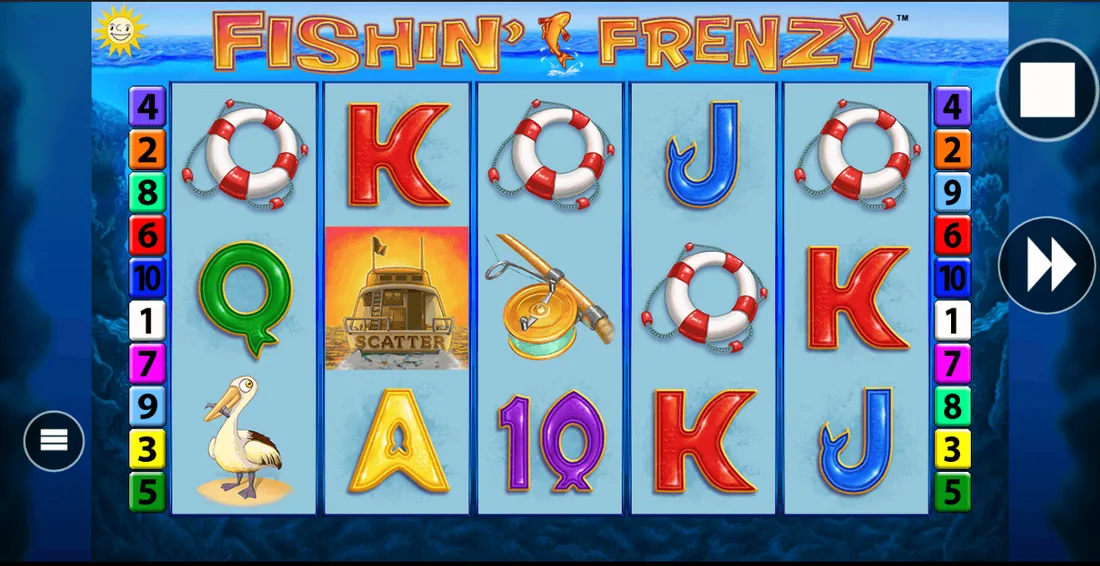
A mate in Essex staked £20 across forty spins of what he thought was Fishin Frenzy, triggered free spins twice, walked away £8 down, then found out three days later the app he'd downloaded wasn't Blueprint's game at all — it was a clone with no UK licence, no RTP certificate, and a payout algorithm nobody had audited. He'd been fishing in someone else's pond.
That story lands every week in forums and UKGC complaint threads, because Fishin Frenzy — the 96.12% RTP, ten-payline original from Blueprint Gaming — sits at the centre of a scam ecosystem that has nothing to do with the game itself. Deepfake ads featuring Martin Lewis and Holly Willoughby, fake App Store listings, affiliate links to unlicensed offshore sites, and TikTok reels showing montaged «winning streaks» that never happened. The slot is real. The noise around it is theatre, and it costs people money.
The Real Game: What Blueprint Built and Where It Lives
Fishin Frenzy is a five-reel, three-row slot developed by Blueprint Gaming, a UK studio owned by the Gauselmann Group and licensed to supply games to UKGC-regulated operators. RTP sits at 96.12%, volatility is medium, the top payout caps at £250,000 per round, and the mechanic is simple: land three boat scatters to trigger ten to twenty free spins, during which the fisherman wild collects all visible fish prize values.
You won't find it on the App Store or Google Play as a standalone app, because Blueprint doesn't publish direct-to-consumer gambling software — the game lives inside casino platforms that hold their own UKGC remote gambling licences. Those licences appear as eight-digit numbers in the footer of every legitimate site, and you can cross-check them in the public register the Commission maintains. If the operator isn't listed, or the number doesn't match, you're not playing the real game.
Blueprint's RTP figure is the theoretical return calculated over millions of spins under controlled lab conditions, certified by independent test houses before the game goes live. Medium volatility means the gap between winning and losing spins falls somewhere in the middle — not as tight as low-variance fruit machines, not as punishing as high-variance Megaways grids. The £250,000 cap is a hard limit written into the game's code, and UK operators enforce a £5 maximum stake per spin for all players, dropping to £2 for anyone aged eighteen to twenty-four.
The Scam Layer: Deepfakes, Clones, and Fake App Listings
The fraud sits in the marketing, not the mathematics. Scammers lift Blueprint's branding, screenshots and gameplay footage, then wrap it around three core tactics: deepfake video ads that show celebrities endorsing the game or «revealing a secret strategy», cloned apps that mimic the real interface but run rigged RNG code with no regulatory oversight, and affiliate links that funnel players toward unlicensed offshore casinos where UK consumer protections don't apply.
- Deepfake ads on Facebook and Instagram featuring Martin Lewis, Holly Willoughby or Ant and Dec claiming they «won thousands» or «cracked the system» — none of these people have endorsed the game, and the videos are AI-generated composites built from public footage.
- Fake app listings that appear in search results with names like «Fishin Frenzy Real Money» or «Fishin Frenzy Official», sometimes showing fabricated star ratings and reviews; these apps either redirect to unlicensed sites or run cloned game code with altered payout tables.
- TikTok and YouTube reels showing spliced «big win» compilations — multiple bonus rounds edited together to make it look like one session, with the bet size, balance and timestamp cropped out; the goal is to drive clicks to affiliate links that pay the creator a commission for every deposit.
- Unlicensed casino sites that accept UK players but operate without UKGC approval, meaning no GAMSTOP integration, no affordability checks, no dispute resolution through the Commission, and no recourse if they refuse a withdrawal.
The tells are consistent: any ad that promises a guaranteed win or «system», any app that asks for payment details before you've verified the operator's licence, any site that accepts credit cards (banned for UK gambling since April 2020), and any promotional video that doesn't show the full game UI — balance, stake, spin counter and timestamp — in a single unbroken take.
How to Spot the Real Version in Under Sixty Seconds
- Open the site footer and look for an eight-digit UKGC licence number — it should read something like «Licence 000-000000-R-000000-000», with the operator's legal name beside it.
- Copy that number and paste it into the UK Gambling Commission public register search at gamblingcommission.gov.uk; the operator's name, licence status and issue date should appear immediately.
- Check the payments page: legitimate operators accept debit cards, PayPal, Apple Pay, Open Banking or paysafecard, but never credit cards; if the site offers Visa or Mastercard credit, it's either outdated or unlicensed.
- Look for GAMSTOP messaging in the responsible gambling section — every UKGC-licensed site must integrate the self-exclusion scheme, and most will link directly to the registration page.
- Confirm the game provider: Blueprint Gaming should appear in the slot's information panel or paytable screen; if it says «RTG», «Maverick» or any other studio name, you're playing a reskin or clone.
- Run a demo spin: UKGC operators often gate free play behind age verification, but if the site lets you spin without logging in and the RTP or max win figures don't match Blueprint's spec sheet (96.12% and £250,000), walk away.
What the Regulator Actually Does (and What It Doesn't)
The UK Gambling Commission issues remote gambling licences to operators, audits their technical systems and financial controls, enforces advertising standards under the Gambling Act and CAP codes, and maintains a public register you can search by operator name or licence number. It also mandates stake caps (£5 per spin, £2 for players aged eighteen to twenty-four), deposit limits that operators must offer at sign-up, and affordability checks that trigger from £150 net deposits a month, escalating to credit-reference checks if the pattern continues.
What the UKGC doesn't do: police offshore sites that target UK players without a licence, take down deepfake ads the moment they appear (that's the Advertising Standards Authority's remit, and enforcement lags by weeks), or compensate players who deposit with unlicensed operators. If you lose money on a site that isn't in the register, the Commission's position is clear — you chose to gamble outside the regulated market, and there's no statutory compensation scheme to fall back on.
The affordability framework tightened in the last year: operators now pull credit-reference data at the first stage rather than waiting for a spending threshold, and players who can't demonstrate their deposits are sustainable face account restrictions or closure. It's a blunt instrument that catches problem gamblers and high earners in the same net, but it's the regulatory reality if you're playing on a UKGC site.
The Bankroll Trap: What Actually Happens When You Play
Medium volatility and a 96.12% RTP mean that over a long enough sample — tens of thousands of spins — the game returns £96.12 for every £100 wagered, with the difference going to the operator's margin and the Remote Gaming Duty the Treasury collects (now 40% of gross gaming revenue). In a single session of fifty or a hundred spins, variance dominates: you might trigger free spins three times and finish ahead, or burn through your deposit without seeing a single scatter combo.
The free spins feature is where the game's volatility concentrates. Land three boats and you get ten spins; four boats award fifteen, five boats give you twenty. During those spins, every time the fisherman wild lands on the same reel as a fish symbol, it collects that fish's cash value and adds it to the running total. A good run — multiple wilds, high-value fish, a long free spins retrigger — can return fifty or a hundred times your stake. A weak run pays less than the cost of the triggering spins.
The hype around the game, and the scam ecosystem it feeds, works because people remember the wins and forget the dead spins. Deepfake ads and montaged TikTok reels show only the bonus rounds that hit, never the forty losing spins it took to trigger them, and they never show the balance at the end of the session. That's not Blueprint's doing — it's the same selection bias that makes every highlights reel look like a winning streak.
Playing Safely: Age, Limits, and Knowing When to Stop
You must be eighteen to gamble in the UK, and every UKGC operator runs age and identity checks before you can deposit — passport, driving licence or credit-reference match against your name and address. The first withdrawal takes longer than the rest (usually 24–48 hours) because that's when the operator reviews your documents in detail; if something doesn't match, they'll ask for additional proof before releasing funds.
Set a deposit limit when you register — daily, weekly or monthly — and the platform will block any attempt to exceed it until the period resets. If you need a break, GAMSTOP offers exclusion periods of six months, one year or five years; one registration blocks every UKGC-licensed site, and there's no early opt-out. BeGambleAware provides free support if gambling is affecting your finances, relationships or mental health, and the National Gambling Helpline runs 24/7 on 0808 8020 133.
Winnings are tax-free for the player — you keep every penny you withdraw — but the operator pays 40% Remote Gaming Duty on gross gaming revenue, a rate that went up in April. Withdrawals to an e-wallet (PayPal, Skrill) usually clear within a few hours to a day; Faster Payments bank transfers take the same day to two working days; debit card withdrawals can stretch to three working days depending on the card issuer.
FAQ
Is Fishin Frenzy rigged or a scam?
The original game from Blueprint Gaming isn't rigged — it runs at a certified 96.12% RTP and appears on UKGC-licensed sites where the RNG is audited by independent test houses. The scam sits in the ecosystem around it: deepfake ads, cloned apps, and unlicensed offshore casinos that use the brand to lure players outside the regulated market. Check the operator's UKGC licence number in the public register before you deposit.
Can I download a Fishin Frenzy app in the UK?
Blueprint Gaming doesn't publish a standalone Fishin Frenzy app. The game runs inside casino platforms that hold UKGC remote licences, and those platforms offer browser play or web apps rather than native downloads. Any app in the store claiming to be the «official» Fishin Frenzy game is either a clone, a redirect to an unlicensed site, or a scam designed to harvest your payment details.
How do I know if a casino offering Fishin Frenzy is legitimate?
Look in the site footer for an eight-digit UKGC licence number, then search that number in the Gambling Commission's public register. The operator's legal name, licence status and issue date should appear. Check the payments page — credit cards have been banned for UK gambling since 2020, so if the site accepts them, it's unlicensed. Confirm GAMSTOP integration in the responsible gambling section, and verify that Blueprint Gaming appears as the game provider.
Why do so many ads show people winning huge amounts on Fishin Frenzy?
Most of those ads are deepfakes or spliced footage. Scammers take Blueprint's branding and gameplay clips, then create AI-generated videos of celebrities supposedly endorsing the game or revealing a «winning strategy», or they edit together multiple bonus rounds from different sessions to make it look like a single streak. The goal is to drive affiliate traffic to unlicensed sites. Real gameplay includes long stretches of losing spins between features — that's medium volatility at work.
What happens if I play on an unlicensed site?
You lose every UK consumer protection: no GAMSTOP self-exclusion, no affordability checks, no dispute resolution through the UKGC, and no recourse if the site refuses a withdrawal or alters the game's payout code. Unlicensed operators aren't subject to RNG audits, stake caps, or advertising standards, and the Commission can't intervene on your behalf. If something goes wrong, you have no legal route to recover funds.
Is there a way to beat the RTP or improve my chances?
No. The 96.12% RTP is a long-term statistical average calculated over millions of spins, and every spin is an independent random event governed by the RNG. Betting strategies, timing systems, and «hot machine» theories don't change the house edge or affect variance. Medium volatility means you'll see win-and-loss cycles across a session, but there's no pattern to exploit and no way to predict when free spins will trigger.